
Following in My Family's Footsteps
Shooting
My father’s maternal grandmother, my great-grandmother Hattie Love Wagner (1882 to 1976), the daughter of a man from Scotland and a Cherokee mother, was born with a lazy eye on the reservation. Because of this, she was considered “cursed” and initially rejected by her people. As the story goes, she was left out overnight to see if the wolves would take her – if not, they would raise her.
She was roughly 6’ 1” and apparently “all legs.” My father said she was known for being one hell of a shot because she grew up having to hunt for her own food and would take off on horseback alone to go hunt, which is why he chuckled when I started mounted shooting. She was an independent and thrifty businesswoman who ran off as a young teen and put her sharpshooting skills to work running a Shooting Gallery before getting married. Her sister Lottie ran the local brothel.
She may have been terrified of rivers until the day she died, because she almost drowned crossing a river as a young girl in a wagon, but she was a strong-willed woman. She was the family matriarch who singlehandedly brought our family through the great depression and beyond. My father also said he never knew anyone who could stretch a dollar farther, and to this day, my dad can make a delicious meal for a crowd on a very tight budget with the
lessons “Ganga” taught him.
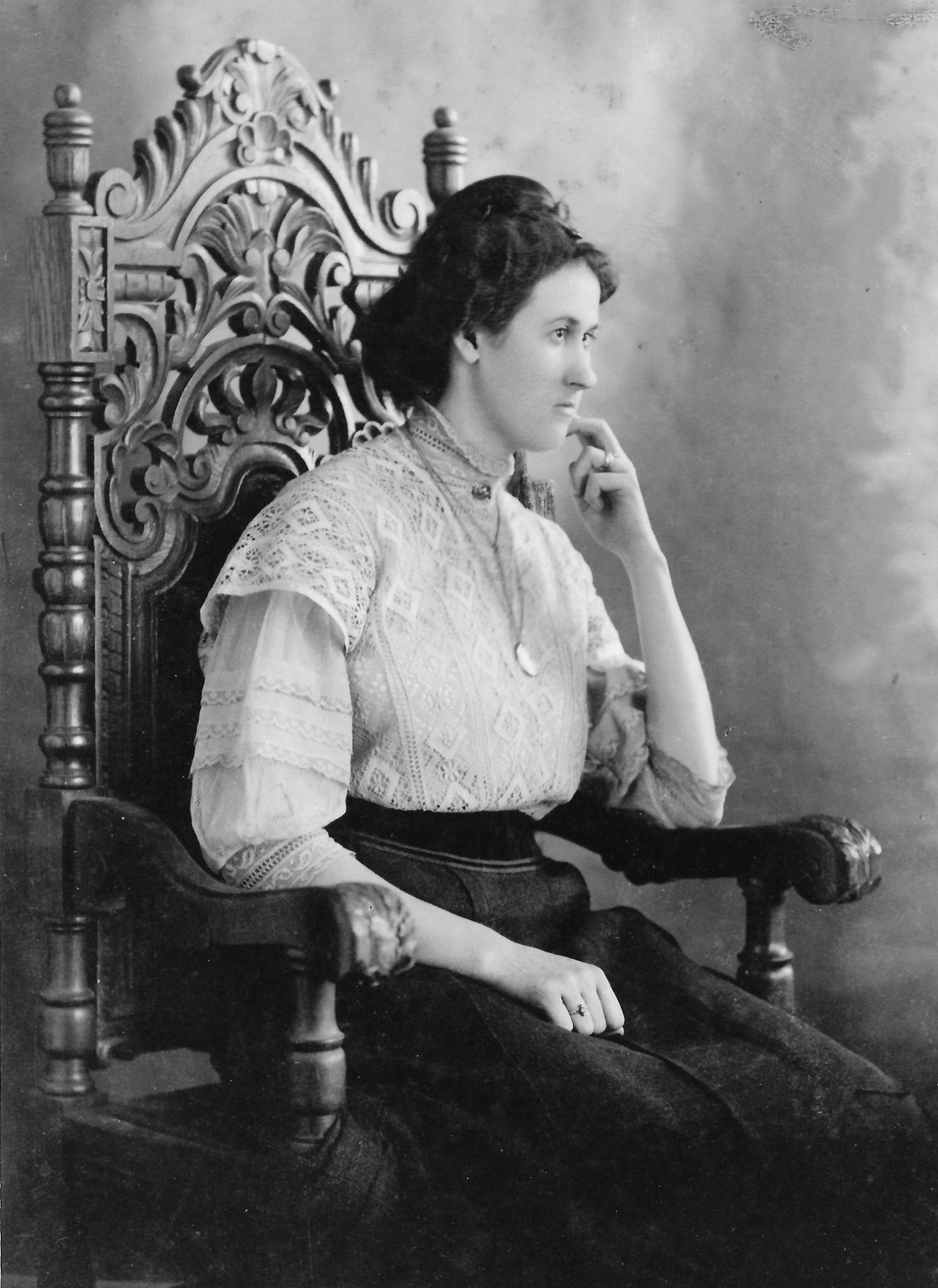
Even though she had her “cursed” eye “fixed” as a teenager (imagine how tough and determined one had to be to have eye surgery as a teen without anything to numb the pain), she still tended to hide her eye in photos. I’m sure that’s why we don’t have many pictures of her; however, I remember her sitting in this chair with all of us great-grandgirls sitting around her nervously and fondly.
I’m grateful for the long line of incredibly strong, independent women in our family who not only set the tone of expectations for what women were capable of but more so for how they were to be treated.
HULBURD GROVE GUEST RANCH
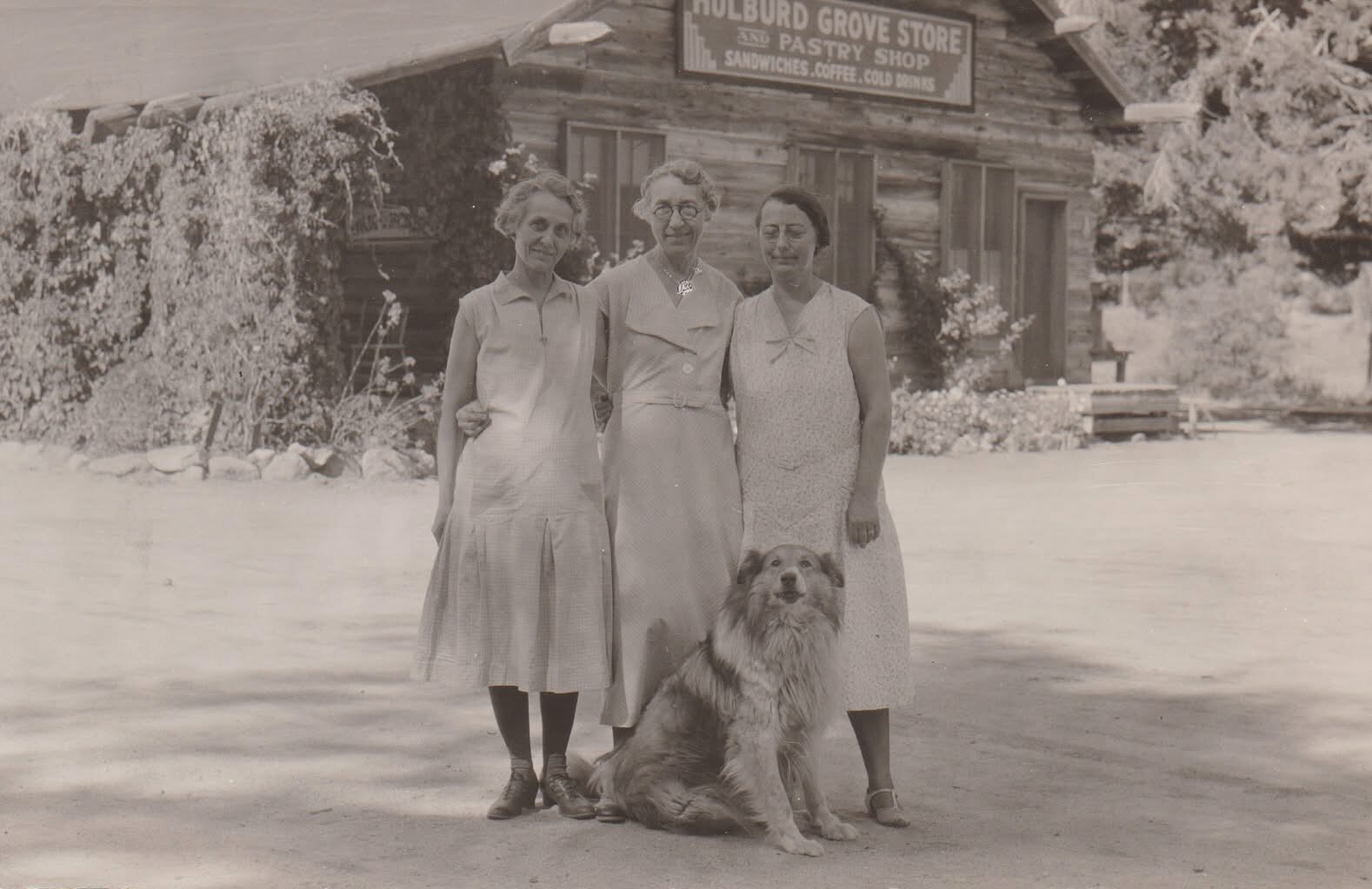
In 1884, three spiritualists* (Mr. and Mrs. Palmer, Mrs. Marshall (cousin to Hulburd), and Miss Hulburd with their two boys, my step-grandfather Robert Marshall and Hulburd) bought 2,000 acres in Descanso, California, 41 miles east of San Diego. This became what was known as the Hulburd Grove Guest Ranch, which sat at a beautiful “well timbered with oak and pine” 3500’ elevation.
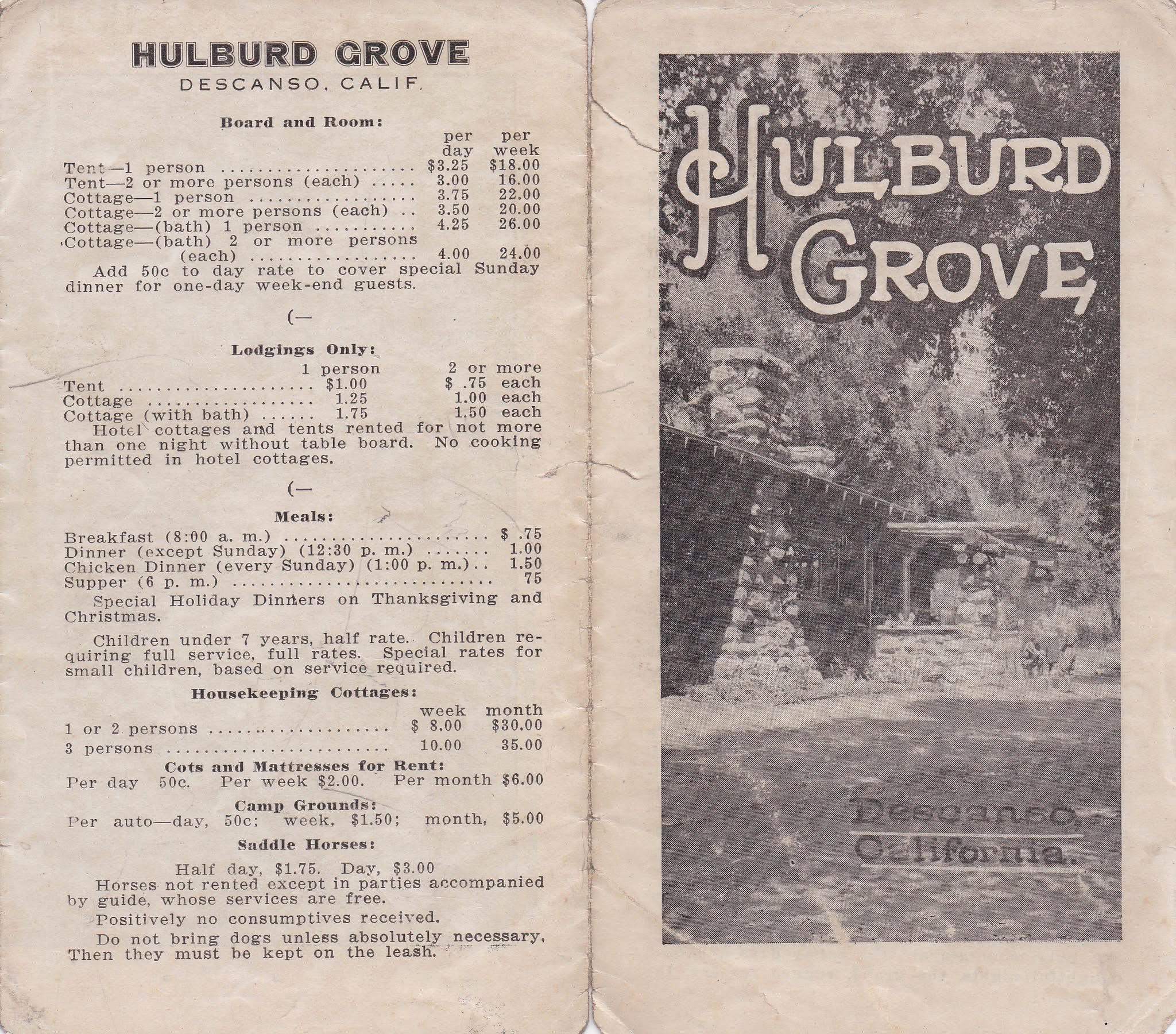
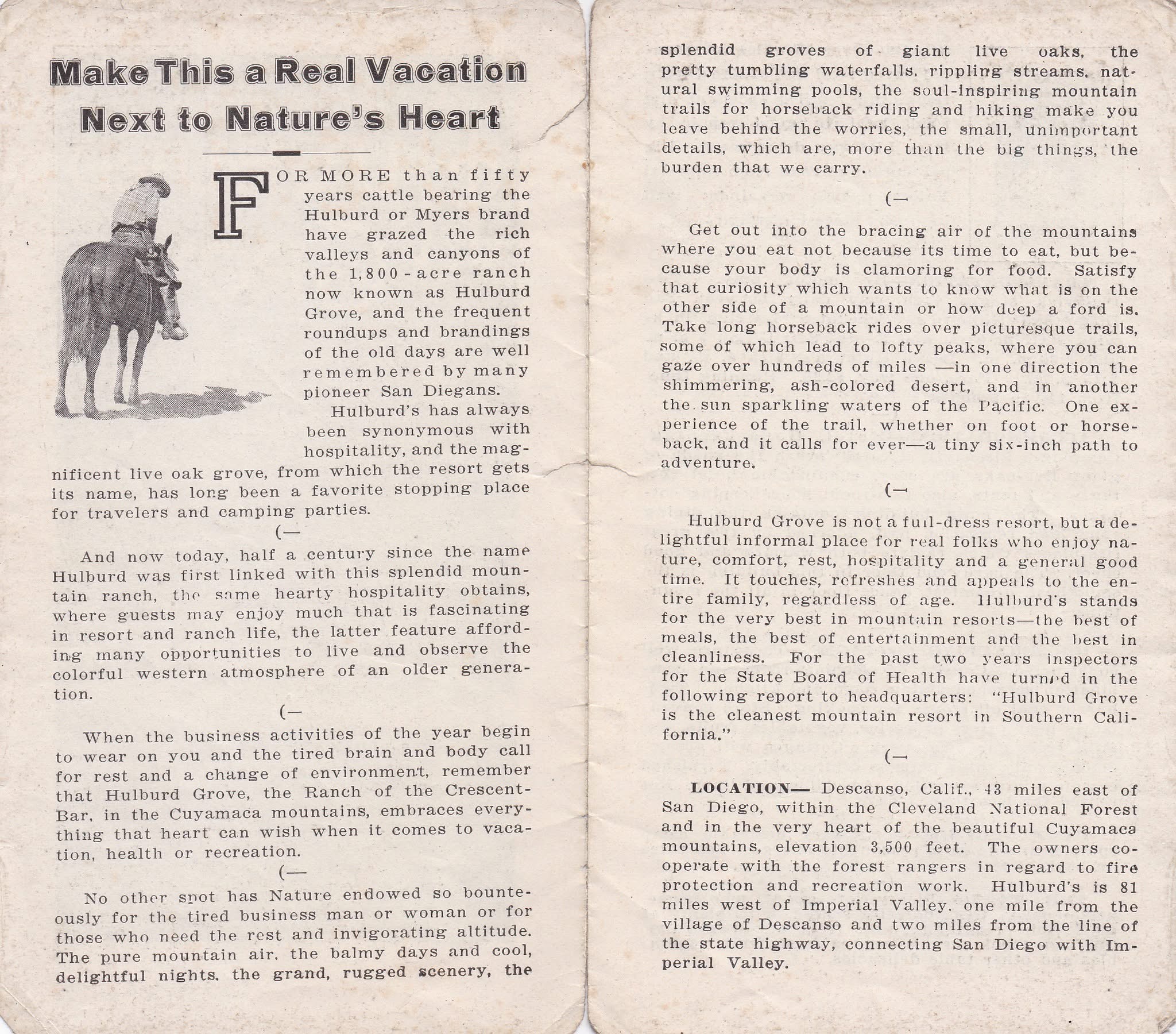
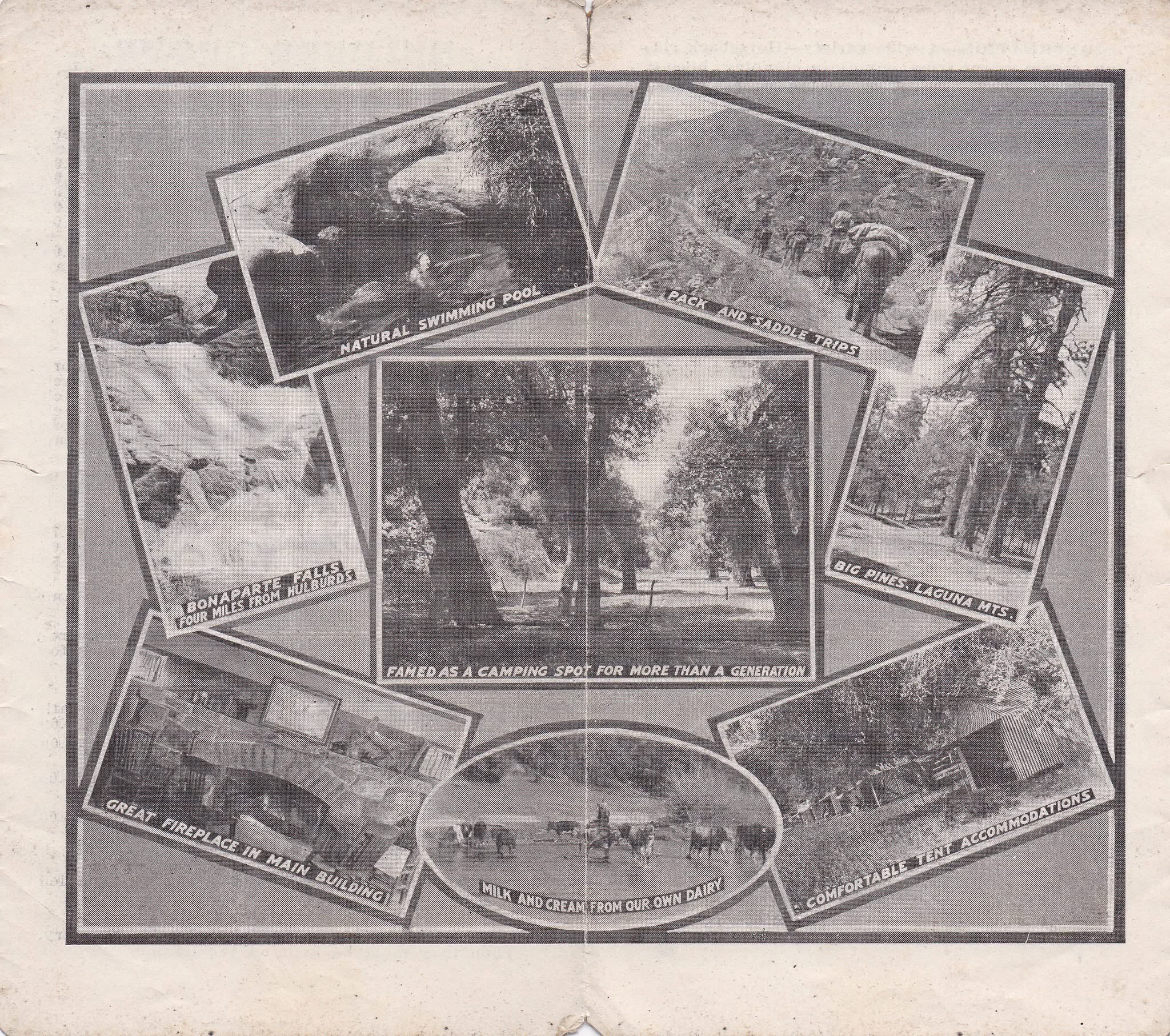
Looking through the original guest ranch brochure, where a portion of the place was dedicated to guests and family stories over the years, confirms the below account from an online story about how electricity was first brought to Hulburd Grove. Written by local, Jenny Belle Bowman:
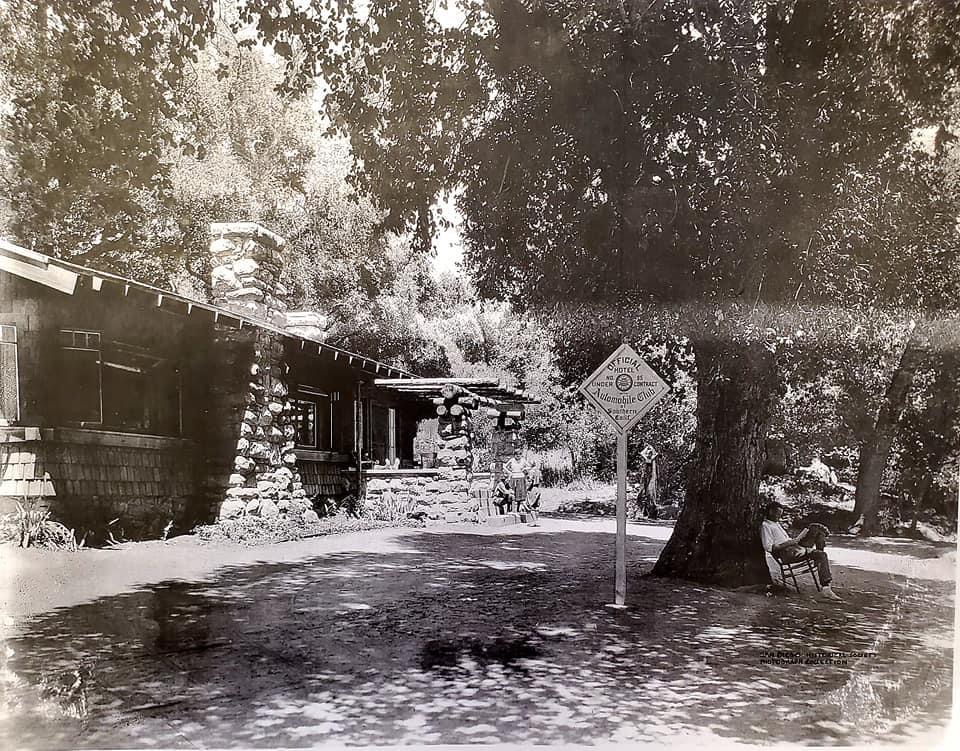
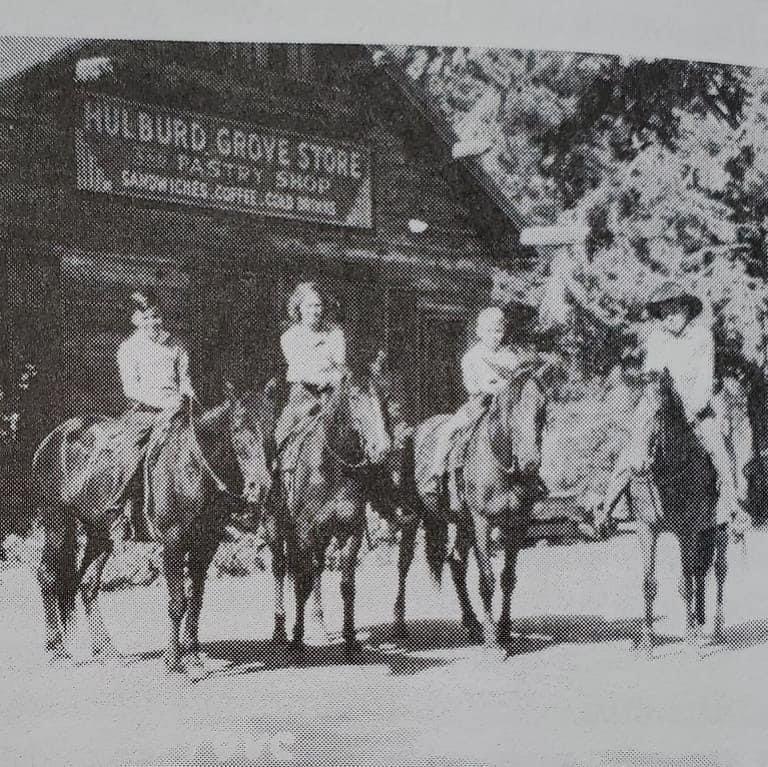
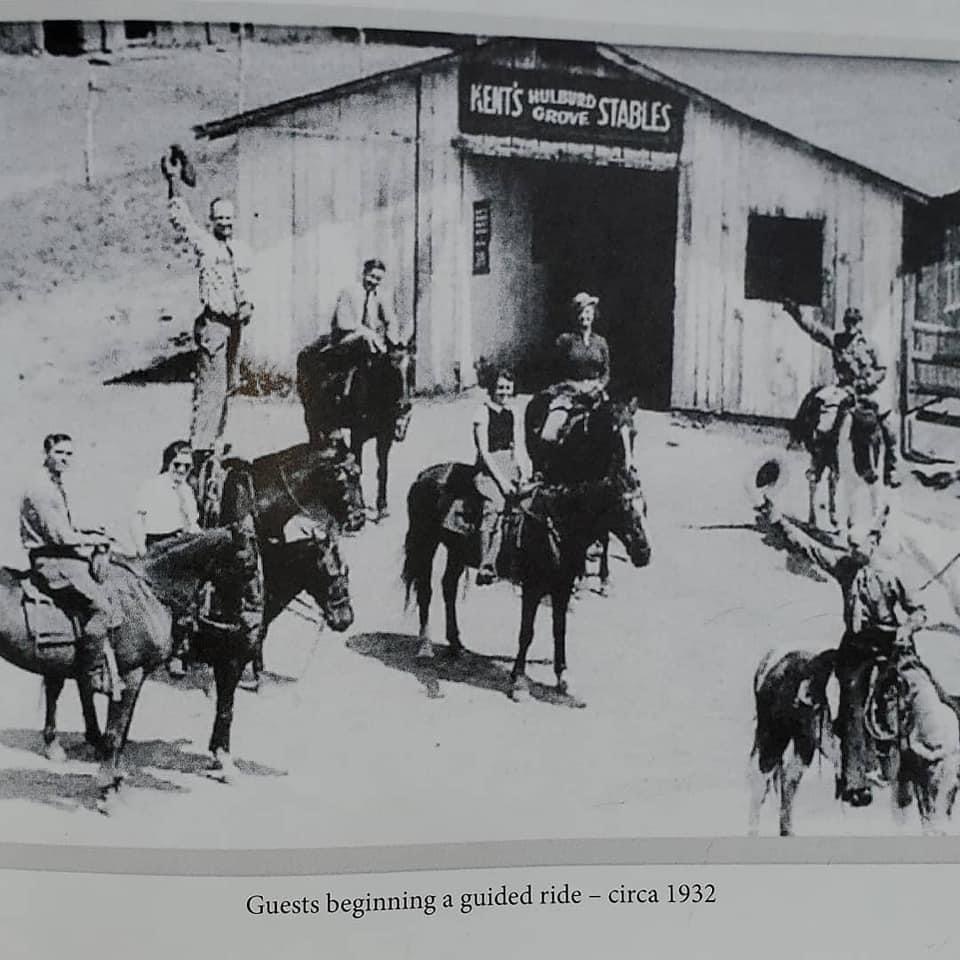
“Hulburd Grove was a fun resort to spend summers in the early nineteen hundreds. There were rental cabins, a grand dining hall, a country store, hotel accommodations, lunch counter, pool, picnic area, and riding stable offering guests the opportunity to go on guided horseback rides around the ranch on “a fine string of really good riding horses” and was a popular vacation spot that reached its peak during the 1930s and ’40s.
The buildings that kept the place functioning were the laundry room, milk house, gift shop, the Hulburds’ home, Mr. Smucker’s house (the carpenter and maintenance man), equipment garage, etc. After the automobile was traveling as far as the top of old Viejas Grande, Ebenezer Hulburd added a gas station.”
My grandmother Nelda, Hattie’s daughter, took a couple of us grandgirls up to see the place on our way to Mexico when I was just a little girl, so getting to go back to visit the historic family ranch as an adult in 2019 was extra special.
*History of Spiritualism in America: “Spiritualism was a religious movement, largely led by women, that gained momentum in America during the mid-1800s. The movement essentially held that people could communicate with those who had died and enabled people to do that through mediums. When Spiritualism arose, child mortality was around fifty percent. The drumbeat of grief never ceased, so this was valuable to American women because women were strongly discouraged from speaking in public. In general, mainstream Christianity prohibited women from preaching, and if they were to take on tasks that involved public exposure, they required the church’s permission.”
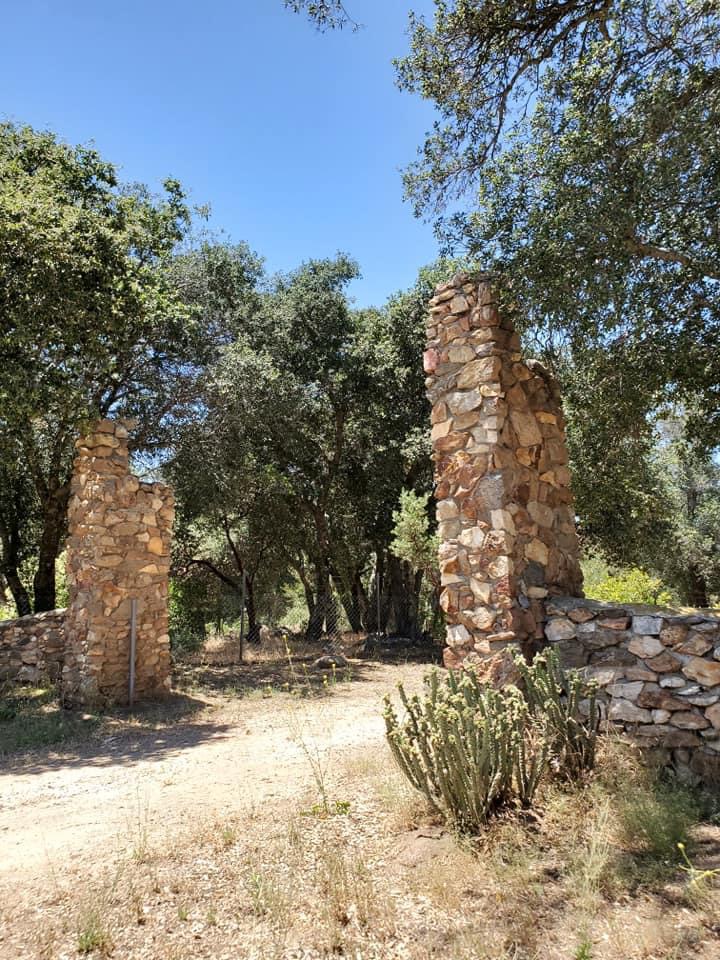
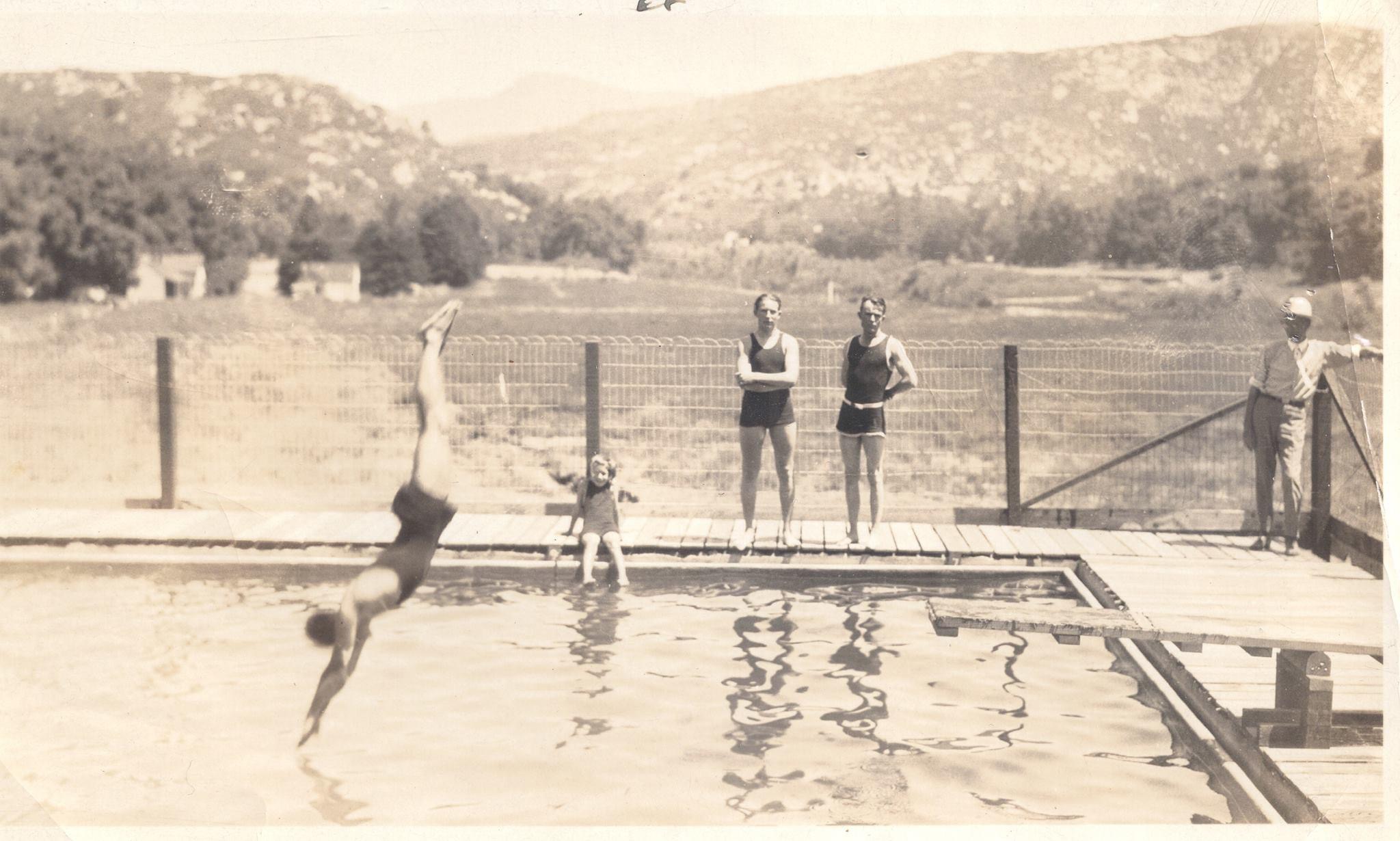
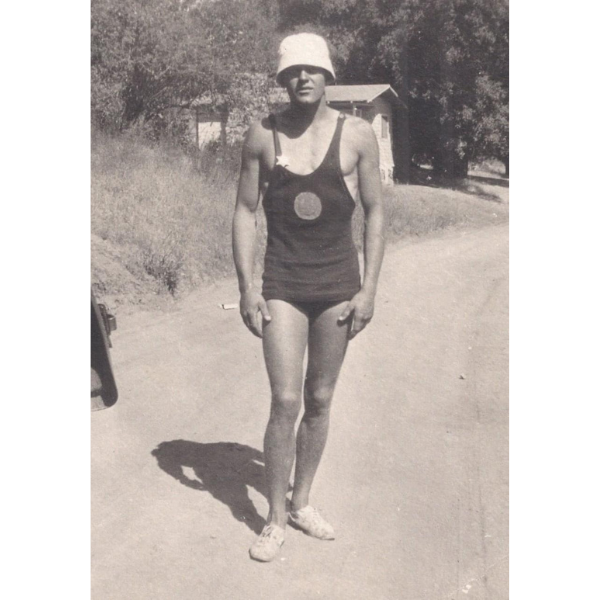
I had contacted the local historian, realtor Jennifer P from the local library, who was gracious enough to meet up with my husband and me to drive us around the original ranch. It was incredibly cool to see the old wagon trail, originally how guests arrived, and that almost every original building/cabin was now someone’s home. Only one large structure had burnt down, but the rock wall and chimney remained. The pool, where I have a picture of my grandfather Bud as a teenager watching over guests as the first lifeguard, had just been filled in a few months before we arrived.
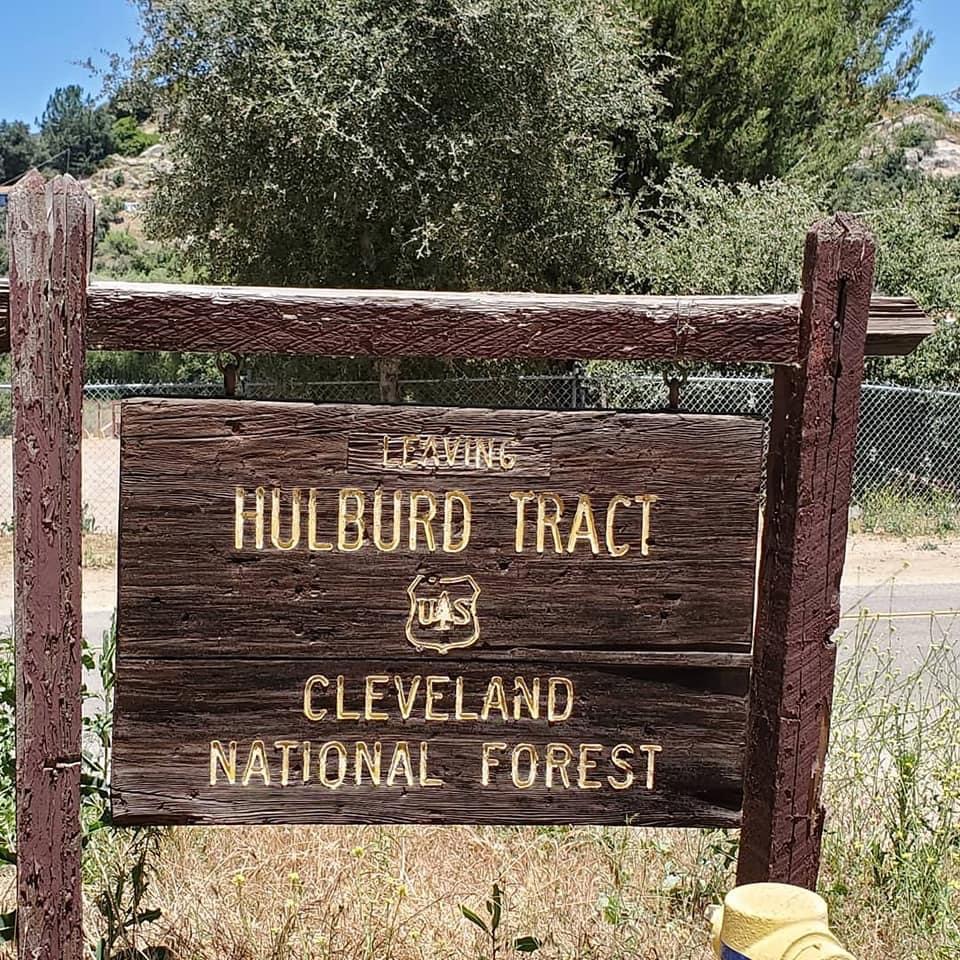
They re-named the local tract of the National Forest after the family. This was what was referred to in the brochure where “guests could ride without crossing auto roads and included three peaks above 6,000’ offering splendid trails and magnificent scenery.”
Another local who grew up there, Donel Russell, whose family moved to the area in the 20s when he was a young boy, said, “If the guest ranch were active today, it would be considered a five-star destination.”
MY FATHER'S GENERATION:
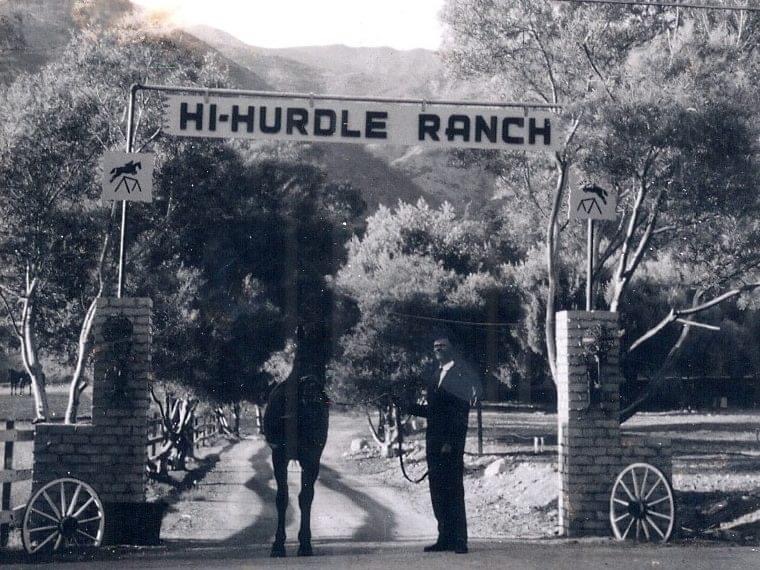
HI-HURDLE RANCH
My grandmother Nelda and her husband Bud Hulburd acquired this 11-acre ranch in La Tuna Canyon in Sun Valley, California.
They put in a pool, built a barn and an arena, and hired Pete Madison as the “Trainer- in-Charge” later listing it for sale in 1954, brochure to the right, for a whopping $130,000, back when minimum wage was $1.00 an hour. *Imagine being able to buy a place with 10 bedrooms and 6 bathrooms on 11 acres for that today.
My grandmother was a part-time real estate agent, and with a husband working for the studios, she had lots of inside connections. This home was originally built for actor Robert Alda, Alan Alda’s father.
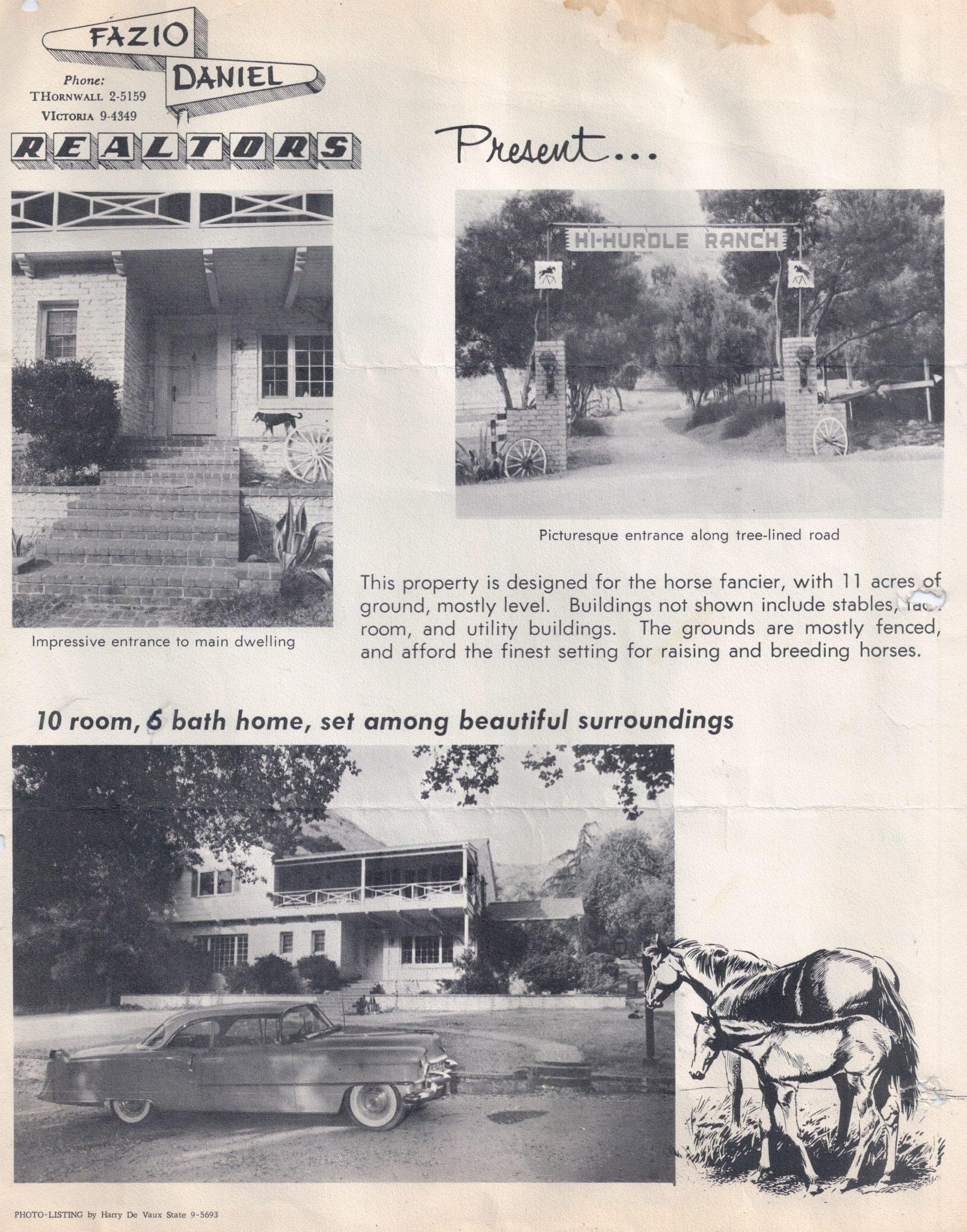
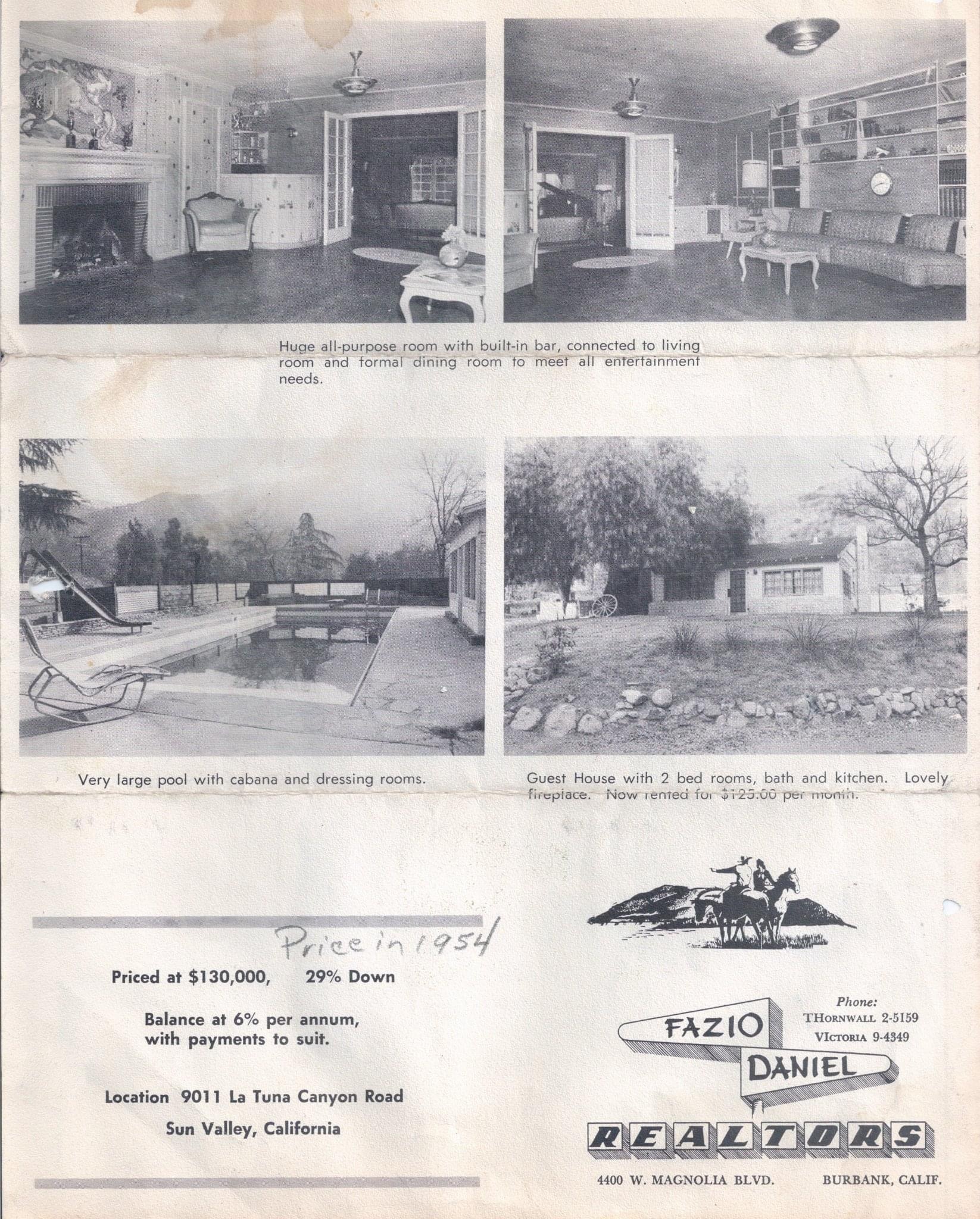
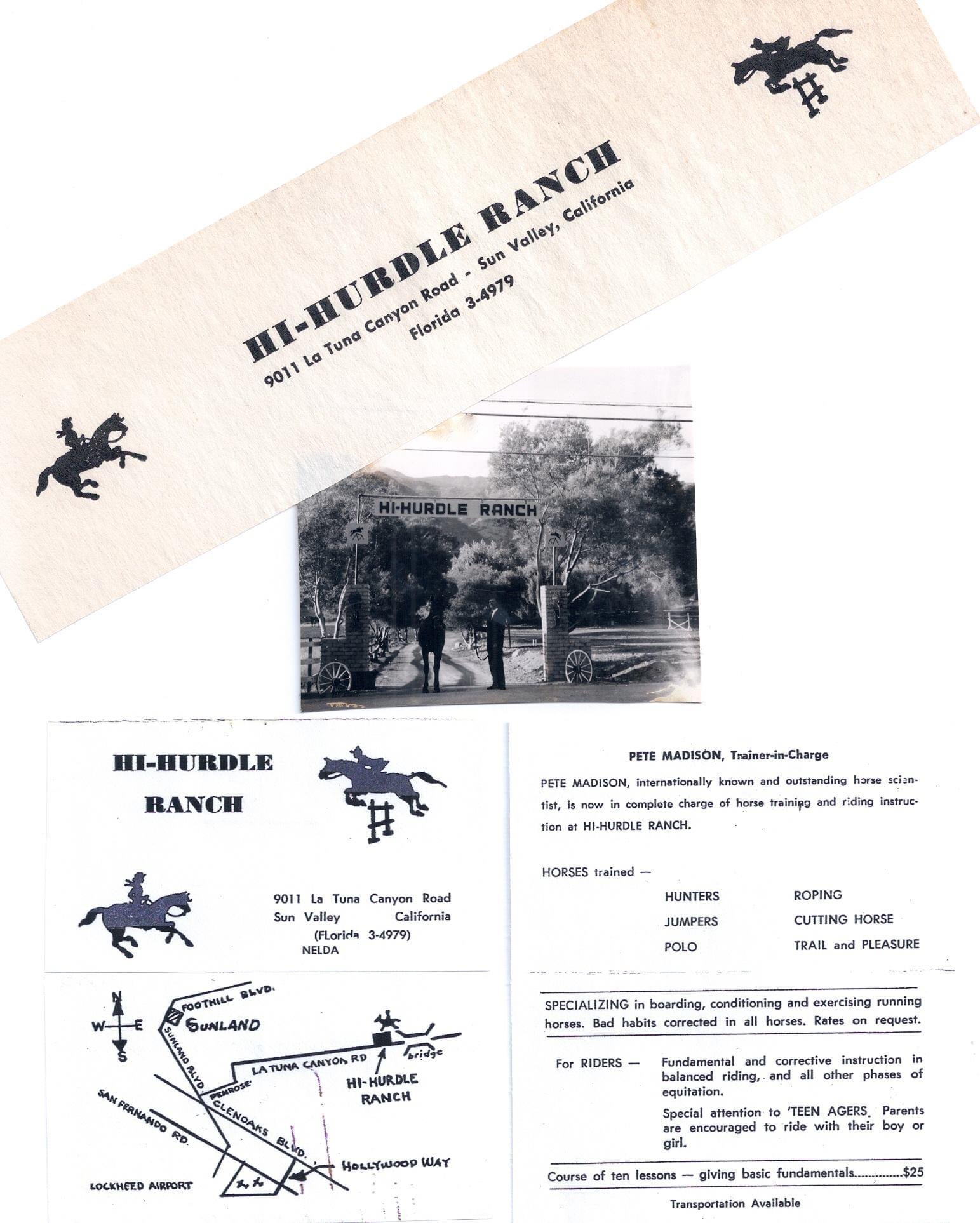
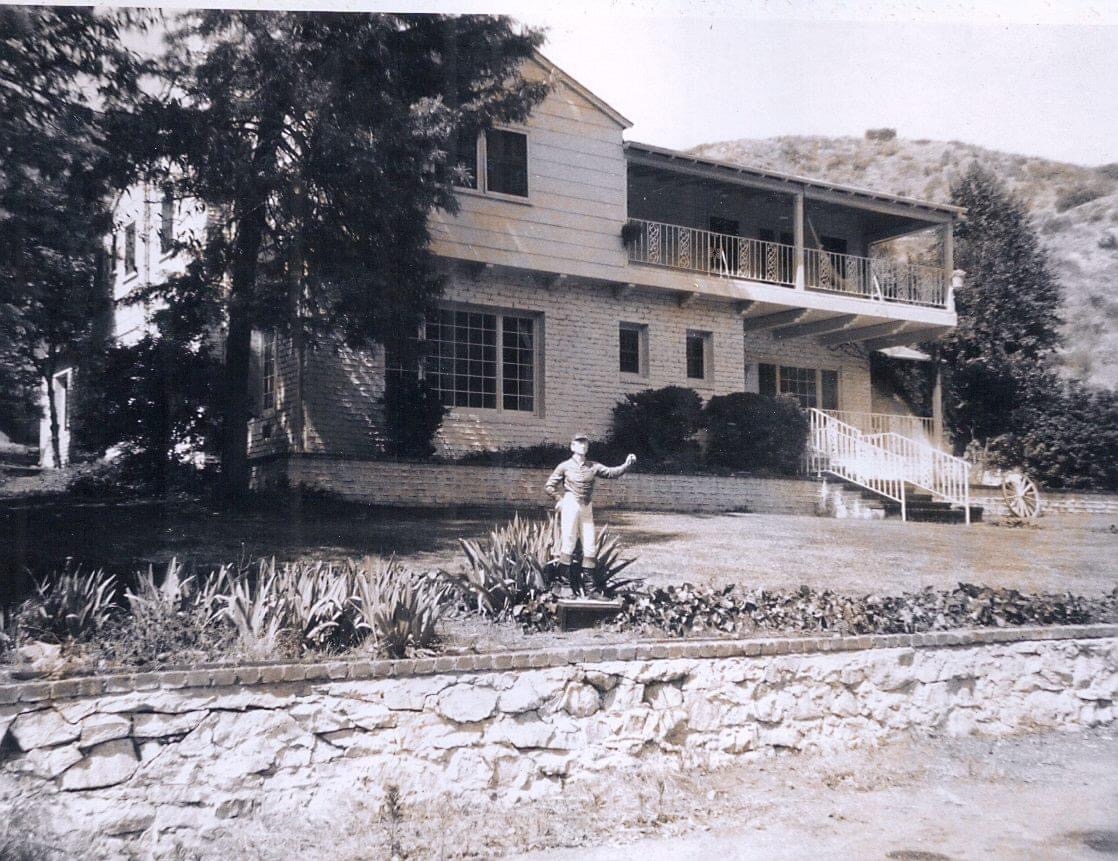
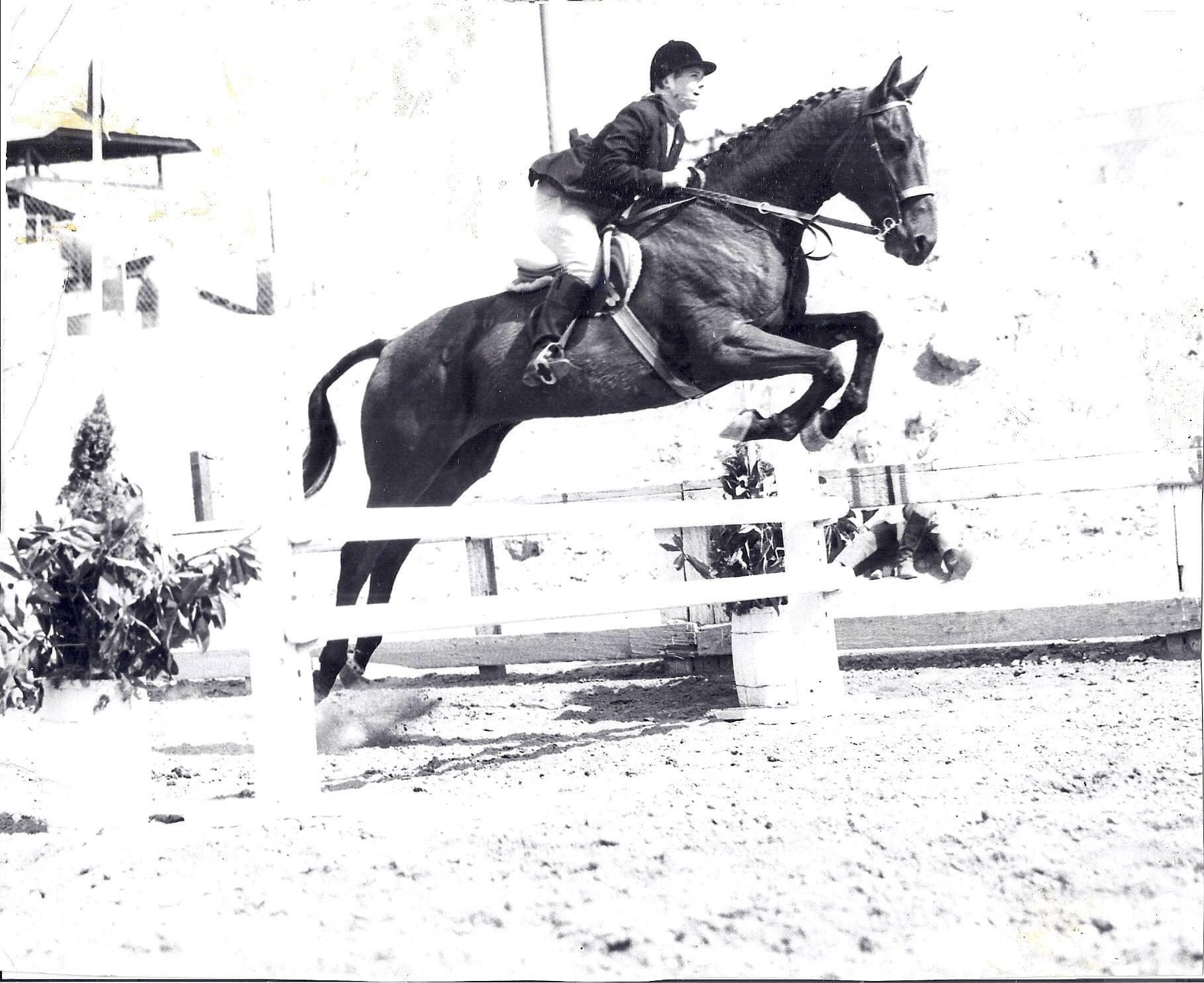
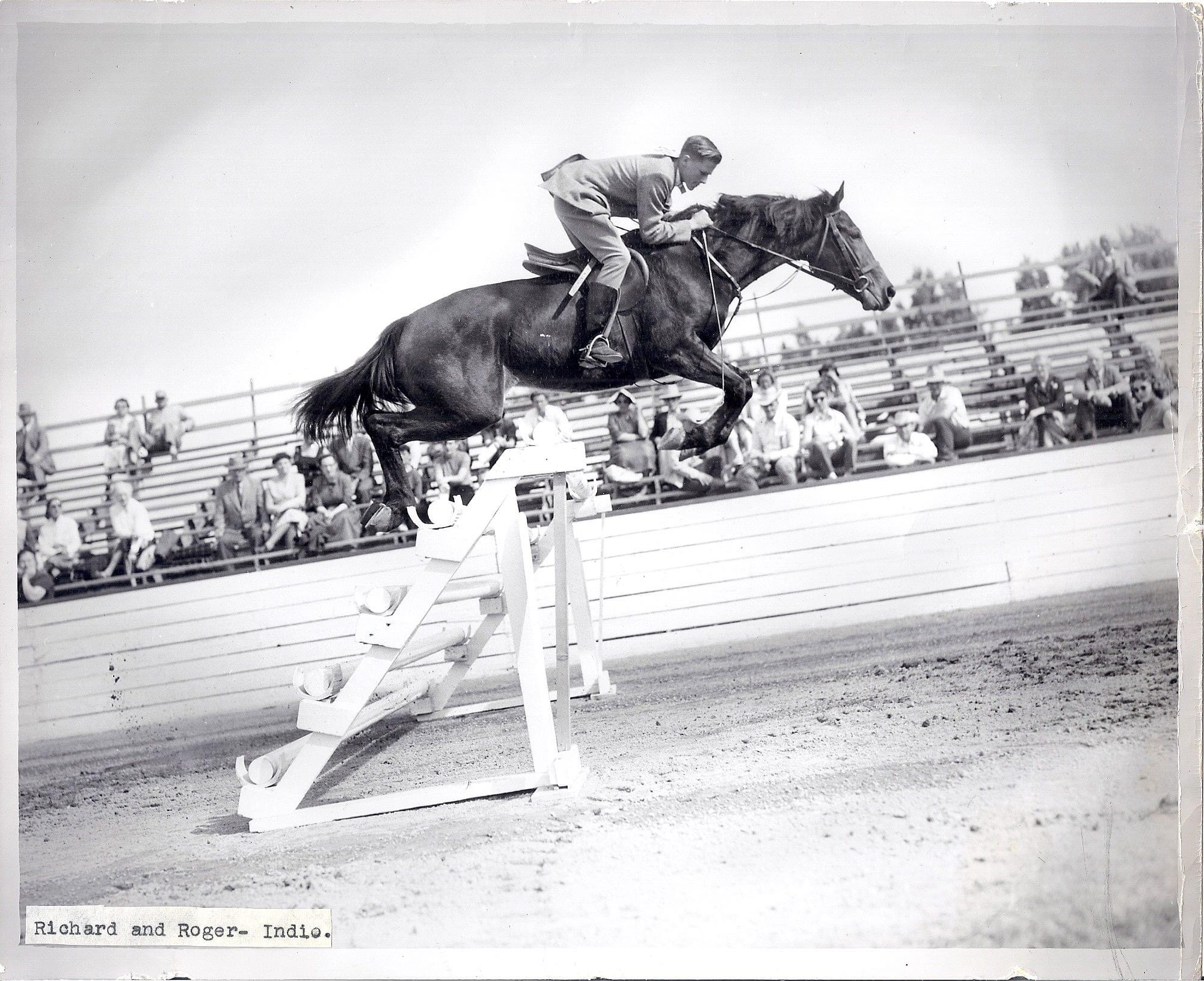
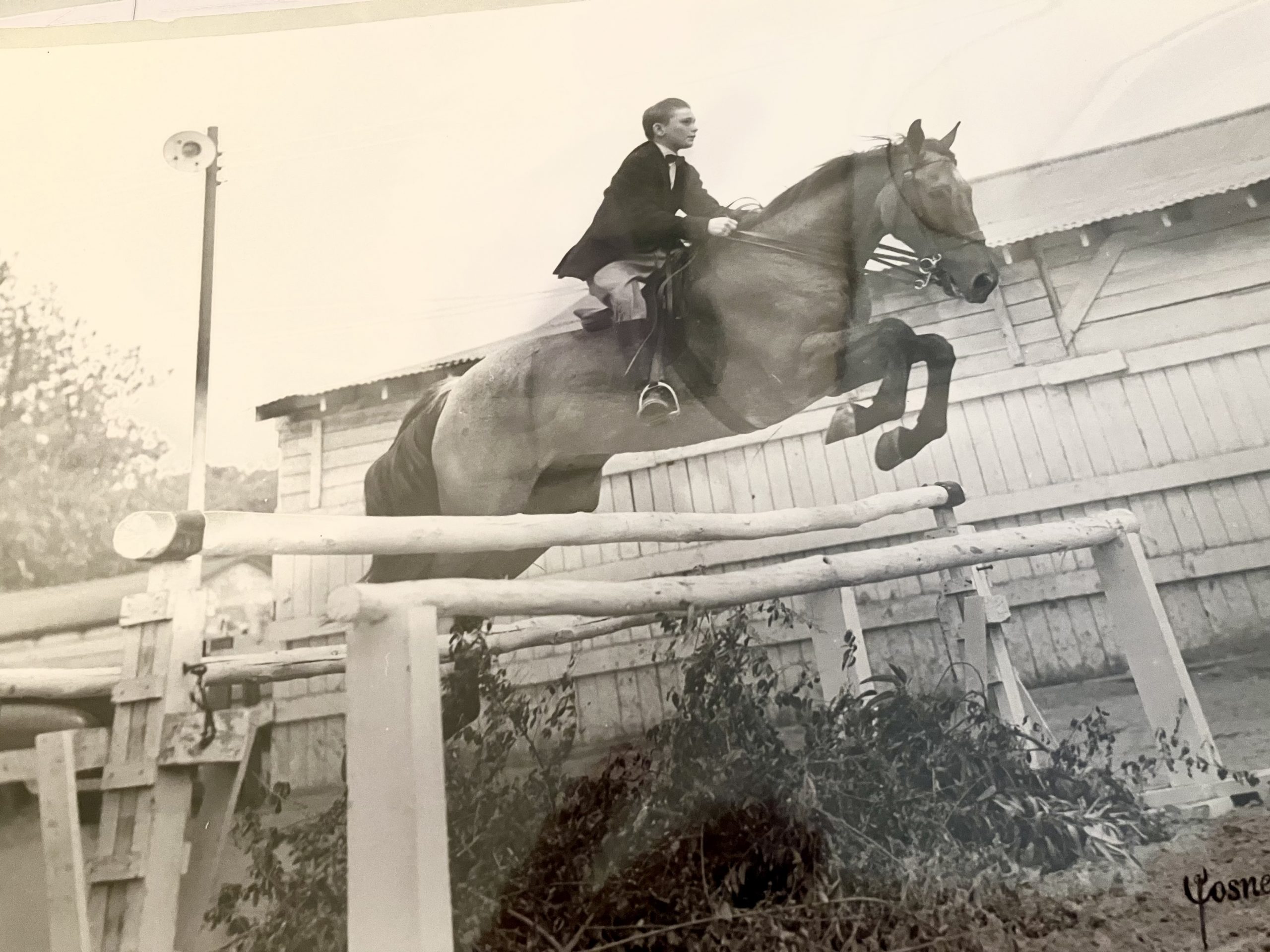
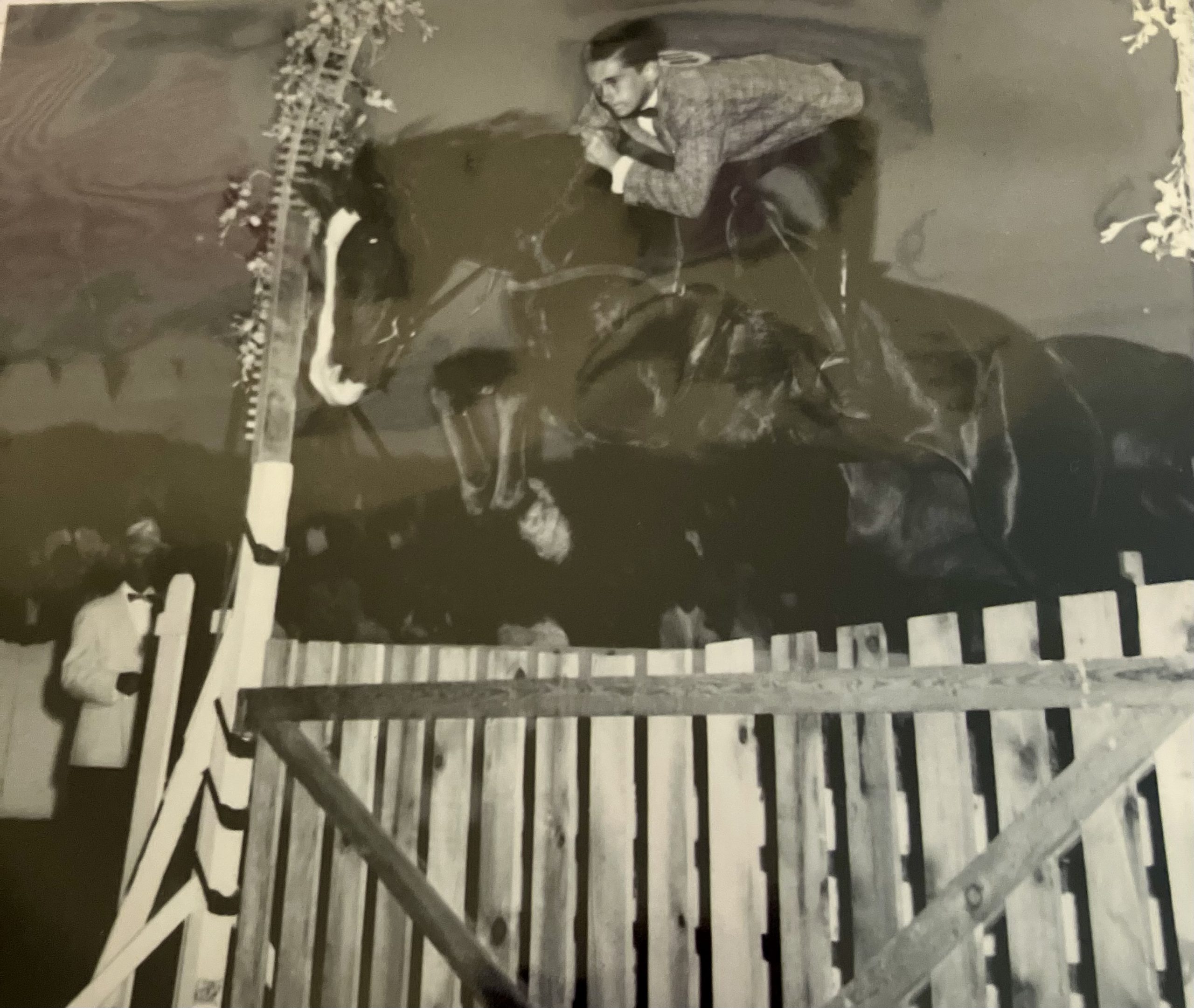
My grandmother used to jump side-saddle and expected her kids to learn to compete at the highest levels by the time they were young teenagers. This was before the age restrictions that now limit youth competing in AAA-rated shows. She hauled them to shows all over Southern California, pulling their horse trailer behind her 1968 Cadillac. She did all sorts of things “women in her era simply didn’t do.”
Because my grandfather Bud worked for Warner Brothers, they were allowed to attend Hollywood Professional School (where child actors were schooled), which allowed them the flexibility to train and show.
Their tough trainer, who first taught them to jump without a saddle or bridle, and the expectations of greatness set by my grandmother somewhat turned this “Sport” into a job for them as teens. This was the primary reason my father did NOT want me getting into horses; besides, we certainly didn’t have the budget for me to own a horse back then… So when I showed interest at a very early age and kept at it, he simply hoped it would be a phase…it was not.
Yes, you really can be Pretty and still be Gritty.
– Heather Gastelum

